The Resignation En Masse of the Kishida Cabinet [The Prime Minister in action]

Source: Government of Japan – Prime Minister

[Provisional translation] 

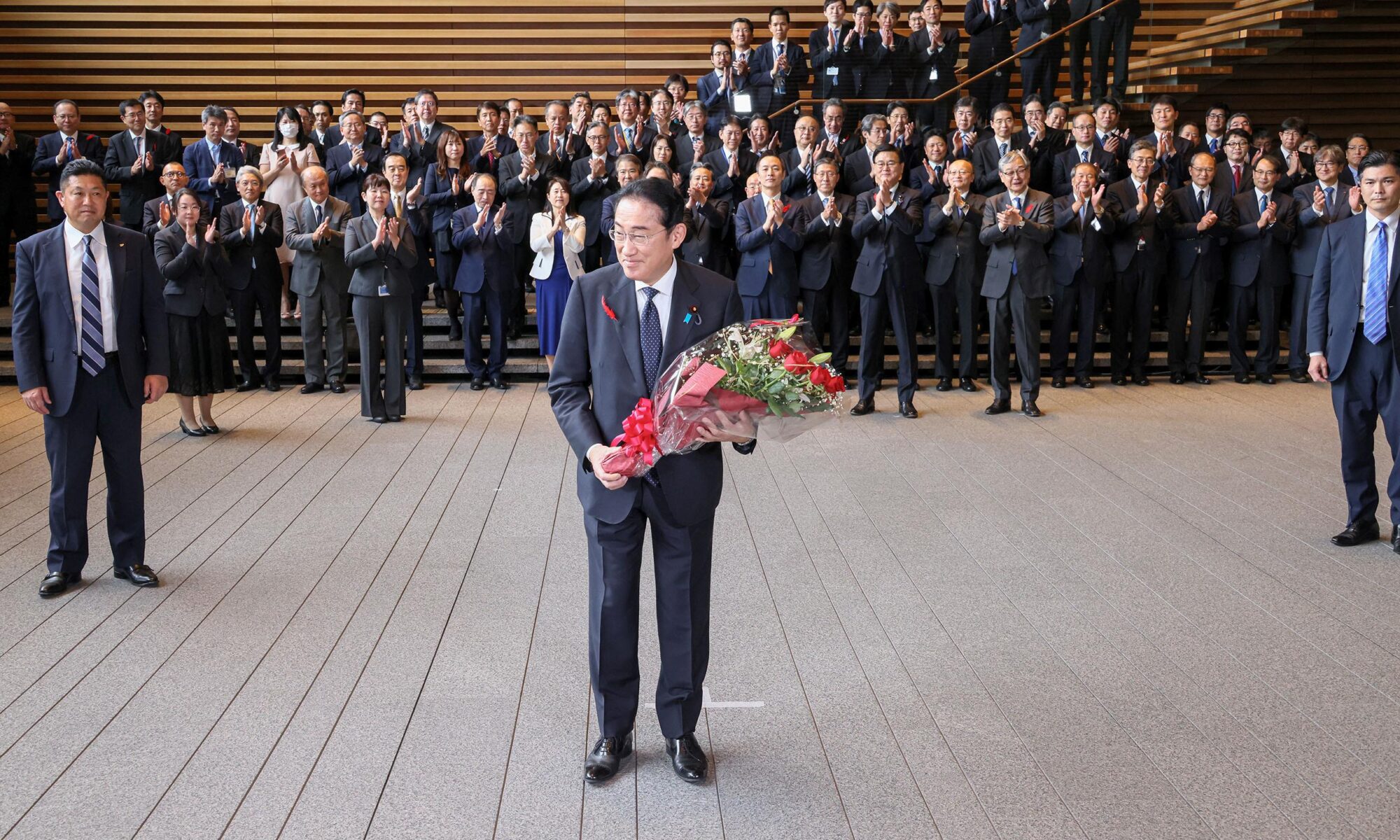
On October 1, 2024, the Kishida Cabinet resigned en masse. 
 
At the Cabinet meeting on the same day, the Prime Minister decided on the resignation en masse of the Cabinet. Afterwards, the Prime Minister issued a statement on the occasion of the resignation en masse of the Cabinet. 
 
The Prime Minister left the Prime Minister’s Office as the staff bade him farewell. 

Statement by Prime Minister KISHIDA Fumio upon the General Resignation of the Kishida Cabinet[Speeches and Statements]

Source: Government of Japan – Prime Minister

[Provisional translation]

Today, the Kishida Cabinet resigned en masse.

Since the inauguration of my Cabinet three years ago, as our country faces “turning points between eras,” we have confronted challenges that cannot be postponed and have steadily advanced initiatives to “turn change into strength” in the fields of economic and social policy and diplomacy.

The revival of the economy is the Kishida administration’s top priority. With this strong determination, since taking office, I have advocated for a “New Form of Capitalism” and strived to bring about a virtuous cycle of growth and distribution, as well as a virtuous cycle of wages and prices. Despite facing global inflation, and thanks to the cooperation of many, Japan’s economy is facing a once-in-a-lifetime opportunity to break free from the deflationary economy that has persisted for the past 30 years and shift to a growth-oriented economy. We have also achieved significant results in transforming energy policy, such as introducing carbon pricing, GX (green transformation) Economy Transition Bonds, and promoting the use of nuclear power.

Regarding the issue of population decline, the greatest challenge facing Japanese society, we recognize that the period before entering the 2030s is the last chance to reverse the trend of declining birth rates. With this in mind, we have fundamentally strengthened support for children and child-rearing with an unprecedented budget of approximately 3.6 trillion yen. In addition, we have promoted the “Digital Garden City Nation Vision” and “Digital Administrative and Fiscal Reform,” striving to transform into a digital society as a means to overcome population decline.

The security environment around Japan has become the most challenging and complex since the end of World War II, due to serious global issues such as Russia’s invasion of Ukraine. The Kishida administration has actively pursued diplomacy to protect the safety of the day to day lives of our citizens and the prosperity of Japan, as well as to uphold a free and open international order based on the rule of law. At the same time, we have secured a defense budget of 43 trillion yen over five years to fundamentally enhance defense capabilities and support our diplomatic competence. Additionally, as security concerns have expanded to encompass economic and technological aspects, significant progress has also been made in the area of economic security.

We also experienced multiple natural disasters, such as the Noto Peninsula earthquake. The government will continue to work as one in firmly supporting those who have been affected and to restore their lives to a normal state as quickly as possible.

I would like to express my sincere appreciation once again for the understanding and cooperation we have received from the people of Japan during this period.

Realizing politics that listens to each citizen and earns the “trust and empathy” of the people. This is the foundation of the Kishida administration, and it is a commitment we have upheld consistently. It is unfortunate that the LDP’s political fundraising issues have undermined public trust in politics, but we have worked diligently to ensure accountability and prevent such problems from happening again. Although we successfully enacted the revised Political Funds Control Act after thorough discussions among all parties and factions during the previous Diet session, there is no end to political reform, and we must continue to work on it.

Japan is at a crucial juncture, both domestically and internationally. I hope that under the new cabinet, key policies that will shape Japan’s future are pursued with vigor. I ask for your support for the new cabinet and the new prime minister.

Thank you very much.

Congratulatory Letter from Prime Minister Kishida to President Dissanayake of Sri Lanka[Speeches and Statements]

Source: Government of Japan – Prime Minister

[Provisional translation]

On September 25, Mr. KISHIDA Fumio, Prime Minister of Japan, sent a congratulatory letter to H.E. Anura Kumara Dissanayake, President of the Democratic Socialist Republic of Sri Lanka, following his inauguration on September 23 after the presidential election.

In his congratulatory message, Prime Minister Kishida expressed his congratulations to President Dissanayake on his inauguration, commended the various efforts that Sri Lanka has been making to overcome the economic crisis, including economic reforms, and expressed his strong hope that Sri Lanka will return to the track of robust economic development as early as possible.

Video Message from Prime Minister Kishida regarding the HeForShe Summit 2024[Speeches and Statements]

Source: Government of Japan – Prime Minister

[Provisional translation]

I would like to extend my congratulations on the 10th anniversary of the HeForShe initiative. It is a great pleasure for me to celebrate this milestone with our host of tonight’s event, Ms. Bahous, Executive Director of UN Women, the champions in attendance, and all of you who support the Initiative.

As a HeForShe Champion, I have made four commitments: women’s economic independence, proactive dissemination of information on women’s participation and advancement, further enhancement of the partnership with UN Women, and ending conflict-related sexual violence.

I have contributed to gender equality and the empowerment of women and girls through a range of initiatives, from disclosing information on gender pay gaps in the country and reforming tax and social welfare systems to actively contributing to UN Women and other international organizations.

As we approach the 15th anniversary of the establishment of UN Women and the 25th anniversary of the adoption of the Security Council resolution on “Women, Peace and Security” next year, Japan will continue to make efforts to achieve gender equality both domestically and abroad.

Thank you for your attention.

Address by Prime Minister KISHIDA Fumio at the High-Level Launch Meeting of the Friends of a Fissile Material Cut-off Treaty (FMCT) [Speeches and Statements]

Source: Government of Japan – Prime Minister

[Provisional translation]

[Opening Remarks]

Distinguished high-level representatives,

Let me start with thanking all of you for gathering here today. As a native of Hiroshima, the city that was devastated by atomic bombing, I am delighted to launch today the Friends of a Fissile Material Cut-off Treaty (FMCT) with the representatives of the participating countries. This launch is literally to wrap up my efforts to advance nuclear disarmament diplomacy that I have been working on since my time as Minister for Foreign Affairs and since becoming Prime Minister.

Next year, we will mark 80 years since we witnessed the first nuclear test in human history and the subsequent devastation caused by the atomic bombings of Hiroshima and Nagasaki. In my hometown of Hiroshima, the “Flame of Peace,” which symbolizes the resolve and hope of the Hibakusha–atomic bombing survivors–for a world without nuclear weapons, continues to burn without being extinguished for a moment until the day when all such weapons have disappeared from the earth.

About 60 years ago, at the United Nations General Assembly, U.S. President Kennedy stated that humanity lived under a nuclear sword of Damocles, hanging by the slenderest of threads, and appealed for the abolition of those weapons. Later, in 1993, at the same UN General Assembly, President Clinton stated that his country was working with Russia and others to take that sword down, to lock it away in a secure vault where we hope and pray it will remain forever.

And now, the era we call “the post-Cold War” has already passed, and we are facing the most severe and complex international security environment since the end of the World War II, where the international community is becoming increasingly divided and confrontational. This nuclear sword, hanging by the slenderest of threads over the heads of every human being, is swinging wildly again.

We are on the brink of a possible reversal of the downward trend in the number of nuclear weapons since the Cold War. The rapid buildup of nuclear capabilities by some countries in an untransparent manner could ignite an arms race that would draw other countries in.

UN Secretary-General Guterres, pointed out the deadlock of some existing disarmament institutions and the need to revitalize them in his “New Agenda for Peace.” I too am concerned that if this stalemate continues, the world will become even more divided.

The NPT regime, the cornerstone of nuclear disarmament and non-proliferation, is a common asset of humanity that is too precious to lose. We, the political leaders, must now take the lead to maintain confidence in this regime.

With this in mind, I myself as the Prime Minister of Japan, attended the NPT Review Conference in 2022 and announced the “Hiroshima Action Plan.” Following that, I worked on the G7 Leaders’ Hiroshima Vision for Nuclear Disarmament issued last May that called on all countries to refocus political attention on the FMCT.

The FMCT is a framework for maintaining the trend of a global decline in the number of nuclear weapons by limiting the quantitative increase in nuclear weapons. Thirty years have passed since President Clinton proposed the concept, and experts have continued discussion over technical aspects of the FMCT.

Now is the time for strong political will to begin negotiations that materialize those experts’ discussions. I am convinced that creating momentum for an early start of FMCT negotiations will lead to the maintenance and strengthening of the NPT regime in the run -up to the 2026 NPT Review Conference.

About 80 years ago, the Hibakusha of Hiroshima and Nagasaki experienced firsthand the horror of nuclear weapons, which robbed people of their “human dignity.” These people are already advanced in years. Along with their wish for a world without nuclear weapons, we need to promote the understanding of the realities of the atomic bombings to the world and to future generations.

Next year, which will mark 80th year since the atomic bombings of Hiroshima and Nagasaki, Japan will work on conveying the realities of the atomic bombings, focusing on three areas: sending Hibakushas and the youth overseas, promoting visits to Hiroshima and Nagasaki, and strengthening communication with the world. On that basis, we, the political leaders of the world, must recognize that we have the responsibility to one day lock the nuclear sword of Damocles away in a secure vault where we hope and pray it will remain forever.

As a native of Hiroshima, the city that was devasted by atomic bombing, and as a responsible politician of Japan, the only country to have suffered atomic bombings during war, I pledge to continue to support realistic steps toward a world without nuclear weapons. And above all, I would like to advance efforts toward nuclear disarmament so that the day will finally come when the “Flame of Peace” be extinguished after the resolve and hope of the Hibakusha fulfilled.

Japan will promote this FMCT Friends initiative in cooperation with the founding members of the group, who are gathered here. Let’s work harder together.

Thank you for your attention.

[Closing Remarks]

I thank all the high-level representatives of the FMCT Friends founding members for attending the launch meeting today. I am very encouraged to hear directly from you all about your country’s enthusiasm to expand support for the start of FMCT negotiations.

My staff always warns me to keep my remarks short, but when it comes to nuclear disarmament, I can’t help but be greedy to say more.

Looking ahead to next year, the 80th anniversary of the atomic bombings of Hiroshima and Nagasaki, and toward the 2026 NPT Review Conference, we need to demonstrate through our actions that the NPT regime is the cornerstone of the nuclear disarmament and non-proliferation regime. Now that the international security environment is becoming increasingly severe, we must advance nuclear disarmament under this NPT regime.

The FMCT Friends are, let’s say, three C’s in this regard—a “core” of the dialogues between the relevant countries, a “communicator” between countries with different interests, and a “catalyst” to accelerate dialogues—toward the start of the stalled FMCT negotiations.

As a citizen of Hiroshima, the city that was devasted by atomic bombing, I have a strong desire for nuclear abolition. At the same time, as a responsible politician from Japan, the only country to have suffered atomic bombings in war, I am fully aware that Japan has a mission to advance realistic and practical efforts toward a world without nuclear weapons.

The NPT regime is the only universal framework for a world without nuclear weapons, with broad participation from both nuclear and non-nuclear weapon states. Under this regime, it is now more than ever that we must advance realistic efforts, step by step. Among these, I am convinced that a FMCT is truly indispensable.

To all founding members of the FMCT Friends, let us continue to work together toward our common goal so that we can absolutely commence the FMCT negotiations.

Thank you very much.
Visit to the United States: Third Day (2)[The Prime Minister in action]

Source: Government of Japan – Prime Minister

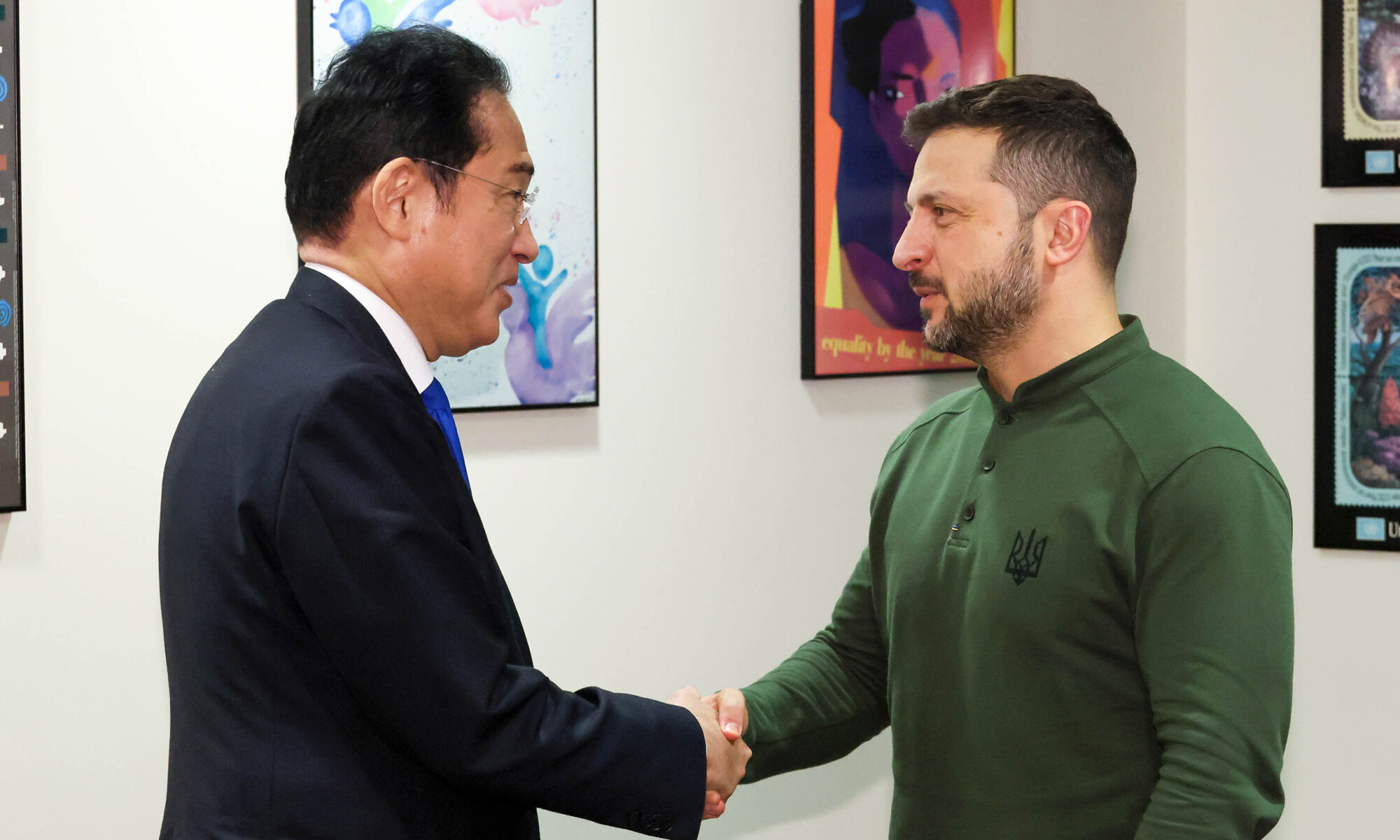
Japan-Ukraine Summit Meeting (1)

Japan-Ukraine Summit Meeting (2)

Japan-Ukraine Summit Meeting (3)

Meeting with NATO Secretary General Stoltenberg (1)

Meeting with NATO Secretary General Stoltenberg (2)

Meeting with NATO Secretary General Stoltenberg (3)

Meeting with NATO Secretary General Stoltenberg (4)

Prime Minister Kishida attending the High-Level Launch Meeting of the Friends of a Fissile Material Cut-off Treaty (FMCT) (1)

Prime Minister Kishida attending the High-Level Launch Meeting of the Friends of a Fissile Material Cut-off Treaty (FMCT) (2)

Prime Minister Kishida attending the High-Level Launch Meeting of the Friends of a Fissile Material Cut-off Treaty (FMCT) (3)

Prime Minister Kishida attending the High-Level Launch Meeting of the Friends of a Fissile Material Cut-off Treaty (FMCT) (4)

Prime Minister Kishida attending the High-Level Launch Meeting of the Friends of a Fissile Material Cut-off Treaty (FMCT) (5)

Prime Minister Kishida attending the U.S.-Japan tourism event (1)

Prime Minister Kishida attending the U.S.-Japan tourism event (2)

Prime Minister Kishida attending the U.S.-Japan tourism event (3)

Prime Minister Kishida attending the U.S.-Japan tourism event (4)

Prime Minister Kishida attending the U.S.-Japan tourism event (5)

Prime Minister Kishida attending the U.S.-Japan tourism event (6)

Prime Minister Kishida attending the U.S.-Japan tourism event (7)

Prime Minister Kishida attending the U.S.-Japan tourism event (8)

Prime Minister Kishida attending the U.S.-Japan tourism event (9)

Prime Minister Kishida attending the U.S.-Japan tourism event (10)

Visit to the United States: Third Day (1)[The Prime Minister in action]

Source: Government of Japan – Prime Minister

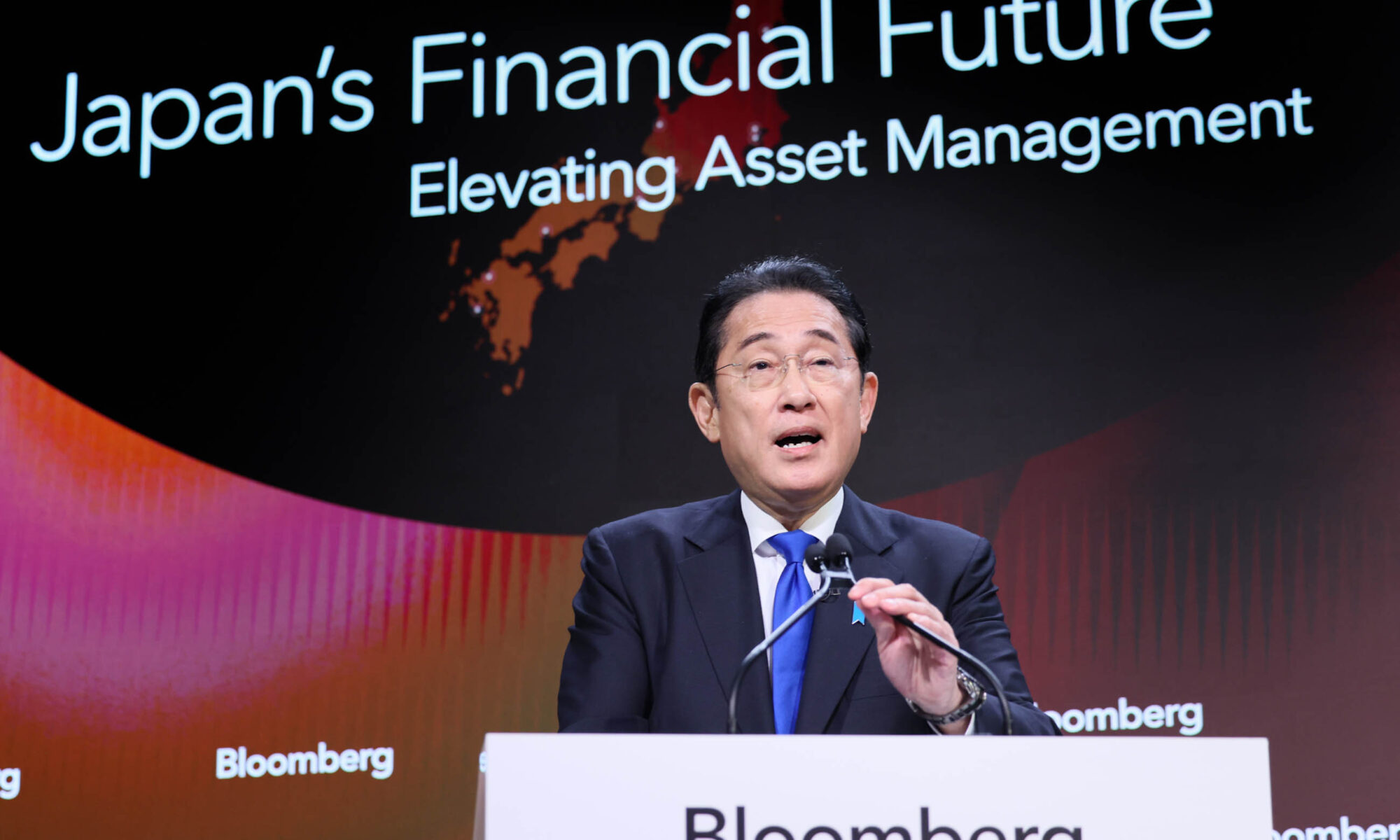
Prime Minister Kishida attending an exchange of views with asset management companies from Japan and the United States (1)

Prime Minister Kishida attending an exchange of views with asset management companies from Japan and the United States (2)

Prime Minister Kishida attending an exchange of views with asset management companies from Japan and the United States (3)

Prime Minister Kishida attending an exchange of views with asset management companies from Japan and the United States (4)

Prime Minister Kishida attending an exchange of views with asset management companies from Japan and the United States (5)

Prime Minister Kishida attending an exchange of views with asset management companies from Japan and the United States (6)

Prime Minister Kishida attending an exchange of views with asset management companies from Japan and the United States (7)

Prime Minister Kishida attending an exchange of views with asset management companies from Japan and the United States (8)

Prime Minister Kishida attending an exchange of views with asset management companies from Japan and the United States (9)

Prime Minister Kishida attending an exchange of views with asset management companies from Japan and the United States (10)

Prime Minister Kishida attending an exchange of views with asset management companies from Japan and the United States (11)

Working lunch with H.E. Dr. Ursula von der Leyen, President of the European Commission (1)

Working lunch with H.E. Dr. Ursula von der Leyen, President of the European Commission (2)

Working lunch with H.E. Dr. Ursula von der Leyen, President of the European Commission (3)

Visit to the United States: First Day (2) [The Prime Minister in action]

Source: Government of Japan – Prime Minister

[Provisional translation] 

On September 21, 2024 (local time), Prime Minister Kishida visited the State of Delaware, the United States of America. 

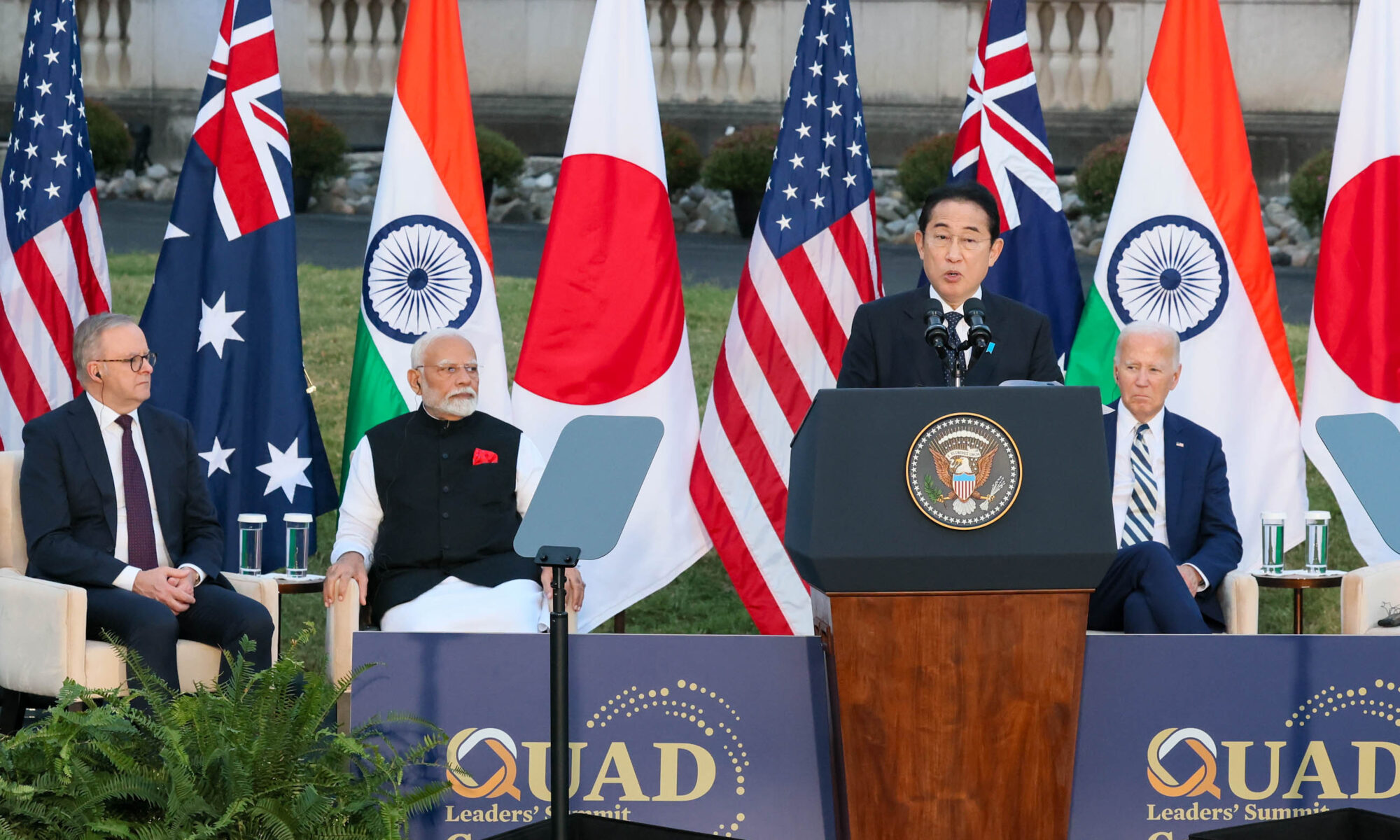
Prime Minister Kishida held a summit meeting with H.E. Mr. Narendra Modi, Prime Minister of India. The Prime Minister also attended the “Quad Cancer Moonshot” launch event on the sidelines of the Japan-Australia-India-U.S. (QUAD) Leaders’ Meeting and delivered a speech, after which he attended the Quad Leaders’ Working Dinner.

Visit to the United States: First Day (1) [The Prime Minister in action]

Source: Government of Japan – Prime Minister

Japan-Australia-India-U.S. (Quad) Leaders’ Meeting (1)

Prime Minister Kishida arriving in Philadelphia (1)

Prime Minister Kishida arriving in Philadelphia (2)

Japan-U.S. Summit Meeting (1)

Japan-U.S. Summit Meeting (2)

Japan-U.S. Summit Meeting (3)

Japan-U.S. Summit Meeting (4)

Japan-U.S. Summit Meeting (5)

Japan-U.S. Summit Meeting (6)

Japan-U.S. Summit Meeting (7)

Japan-U.S. Summit Meeting (8)

Japan-U.S. Summit Meeting (9)

Japan-U.S. Summit Meeting (10)

Japan-Australia Summit Meeting (1)

Japan-Australia Summit Meeting (2)

Japan-Australia Summit Meeting (3)

Japan-Australia Summit Meeting (4)

Japan-Australia Summit Meeting (5)

Prime Minister Kishida being welcomed by President Biden (1)

Prime Minister Kishida being welcomed by President Biden (2)

Japan-Australia-India-U.S. (Quad) Leaders’ Meeting (2)

Japan-Australia-India-U.S. (Quad) Leaders’ Meeting (3)

Japan-Australia-India-U.S. (Quad) Leaders’ Meeting (4)

Japan-Australia-India-U.S. (Quad) Leaders’ Meeting (5)

Letter of Condolence by Prime Minister KISHIDA on the Passing of Former President Alberto FUJIMORI of the Republic of Peru [Speeches and Statements]

Source: Government of Japan – Prime Minister

[Provisional translation] 

On September 19(local time: on September 18), following the passing of H. E. Mr. Alberto FUJIMORI on September 12 (local time; on September 11 JST), Mr. KISHIDA Fumio, Prime Minister of Japan, issued a letter of condolence to H. E. Ms. Dina Ercilia BOLUARTE ZEGARRA,President of the Republic of Peru. 

In the letter, Prime Minister Kishida expressed his condolences to the bereaved family of former President Fujimori and to the Government and people of the Republic of Peru on the news of his passing. Prime Minister Kishida also noted that former President Fujimori had shown strong leadership as President, made great contributions to the development of Peru, and consolidated the foundation for the strong Japan-Peru relationship that has continued for many years. In particular, he paid tribute to the former president’s achievements in the 1996 occupation of the Japanese ambassador’s residence in Peru, which led to the release of the hostages without giving in to terrorism.